
Longevity
Safe Strength Training With Bad Knees: A Calmer Way to Get Strong
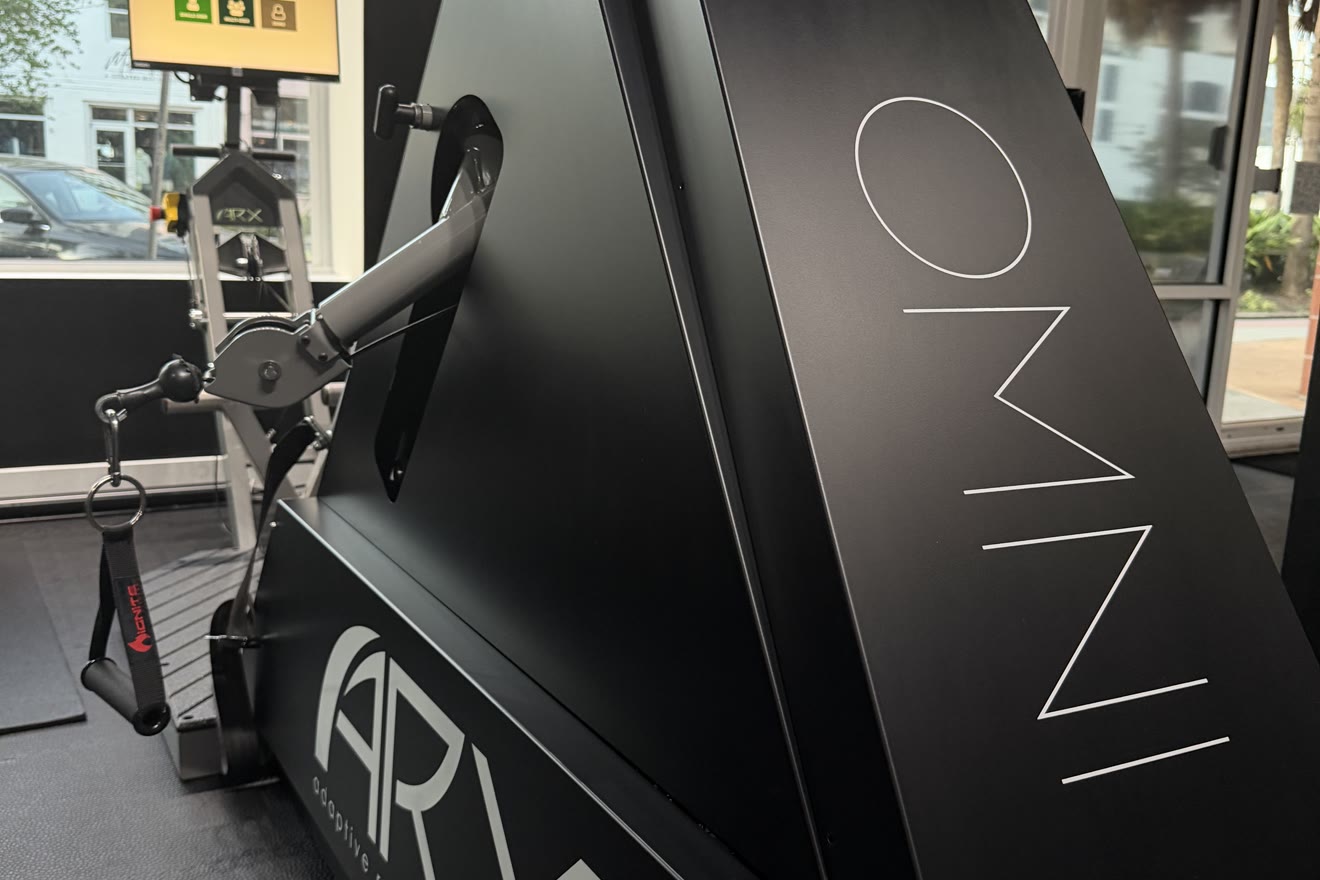
If you have bad knees, the words “strength training” can sound like a setup for more pain. You picture loaded squats, a leg-press stack slamming back, or a barbell you have to balance while your knee quietly protests. That picture keeps a lot of people away from the one thing that might actually help them move better.
Here is the reassuring part: strength training and knee pain are not automatically at odds. The problem is usually the tools and the loading, not the act of getting stronger. With the right setup, many people with sensitive knees can train hard enough to see real change while staying inside a range that feels safe.
Why free weights can be hard on cranky knees
Traditional weights have two qualities that make joints nervous. First, the load is fixed. A 100-pound weight is 100 pounds at the bottom of a squat, at the top, and at every shaky point in between, including the exact angle where your knee feels least happy. Your joint does not get a vote.
Second, there is momentum and balance to manage. You have to control the weight on the way down, stabilize it, and avoid dropping it. For a healthy knee that is fine. For a knee that is already irritated, those moments of instability are where flare-ups tend to happen.
None of this means weights are bad. It means they ask a lot of a joint that may not be ready to give it.
What “joint-friendly” actually means
When people search for low-impact strength training for seniors or strength training that does not hurt their knees, they are really asking for a few specific things:
- Resistance you control. The effort should match what you can give on a given day, not a fixed number you have to muscle through.
- A range of motion you choose. You should be able to work within the part of the movement that feels good and stay out of the part that does not.
- Nothing to drop or balance. Take away the failure points and you take away most of the fear.
- The ability to stop instantly. If something feels off, the movement should end the moment you ease off, with no weight still in motion.
A program built around those four things tends to feel very different from a crowded weight room.
How ARX changes the math for sensitive knees
Our strength work uses ARX adaptive-resistance machines, and the way they apply resistance is the reason they can be gentler on joints for many people.
ARX is computer-controlled. Instead of a fixed weight, the machine pushes back with exactly the force you produce, and never more. If you can only give a little at a tender angle, that is all it pushes back with at that angle. There is no stack to drop, no bar to balance, and no momentum to fight. You set the range of motion, so you stay in the zone that feels safe and skip the part that bothers your knee. The moment you stop pushing, the resistance is gone.
That combination lets you work to a genuine, productive effort without the usual risk. A session takes about 15 minutes, which also means less repetitive stress overall.
To be clear about what this is and is not: ARX is a way to train strength safely, not a treatment for a knee condition. It does not diagnose anything or replace rehab.
Getting stronger may help the knee itself
There is a quieter benefit worth mentioning. The muscles around your knees and hips help support and stabilize the joint. Building strength in the quads, hamstrings, and glutes can improve how you move and how load is shared, which over time may ease some of the strain a knee carries. Research generally supports resistance training as part of staying mobile and independent as we age.
Notice the careful language there. May help, can support, generally. Knees are individual, and a meniscus issue, arthritis, and a past surgery all call for different handling. This article is general information, not a plan for your specific knee. Please check with your physician or physical therapist before you start, and bring any movements they have flagged as off-limits so we can work around them.
A grounded approach for people who have been burned before
A lot of folks come in having tried to push through knee pain at a regular gym and quit. The point of a private studio with controlled resistance is that you are not performing for anyone, not racing a clock, and not balancing anything that could go wrong. You give what you have that day, the machine meets it, and you stop when you are done. We built the same thinking into how we approach strength training over 60, where joint comfort is often the whole question.
See it before you commit to anything
The best way to know if this fits your knees is to try the motion yourself, slowly, with someone walking you through it. Book a free studio tour in Downtown St. Pete. We will show you the machines, let you feel how the resistance responds, and answer your questions. No pressure, no obligation, about 30 minutes.
Common questions
- Can I do strength training if I have bad knees?
- Often yes, with the right setup. Many people with cranky knees can train safely when the resistance is controlled, the range of motion stays within a comfortable zone, and there is nothing heavy to drop. Always clear it with your physician or physical therapist first.
- What is the safest strength training for seniors with knee pain?
- Look for low-impact, controlled resistance with no momentum and no free weights to balance or drop. Machines that match the force you produce let you stay in a pain-free range and stop instantly, which many people find gentler on the joints.
- Will building leg strength help my knee pain?
- Stronger muscles around the knee and hip can support the joint and improve how you move, which may reduce strain over time. This is general information, not a treatment plan, so work with your doctor or PT for your specific knees.
- Is ARX strength training low impact?
- Yes. ARX uses computer-controlled resistance that never exceeds the force you produce. There is no impact, no momentum, and no weight to drop, and you control how far the movement travels.
Keep reading
Longevity
How Much Strength Training Do You Actually Need for Longevity?
Less than you think, if the quality is high. A look at how often to strength train for longevity, and why more sessions is not the same as better results.
Longevity
Is It Too Late to Build Muscle After 60?
A common worry after 60 is that the window to build muscle has closed. The research is encouraging: the response to strength training does not expire.